
Love to Dream Temperature Guide AU: A Comprehensive Overview (Updated 01/26/2026)
Navigating baby sleep warmth in Australia requires understanding TOG ratings‚ room temperatures‚ and appropriate layering. Conflicting advice
exists‚
with
guides
varying
significantly;
consider
individual
baby
needs
and
regional
climates
for
optimal
comfort.
Adult
duvet
weight
comparison
(13
TOG)
can
aid
layering
decisions.
Understanding TOG Ratings for Love to Dream Swaddles

TOG (Thermal Overall Grade) ratings measure a fabric’s thermal resistance – essentially‚ how well it traps heat. Love to Dream swaddles‚ like those from ErgoPouch and Woolbabe‚ utilize this system to indicate warmth levels. A lower TOG rating (e.g.‚ 1.0) signifies a lighter swaddle suitable for warmer temperatures‚ while a higher rating (2.5 or 3.5) denotes increased insulation for cooler conditions.
Many parents find the manufacturer’s TOG guides conservative‚ often needing to add layers for adequate warmth. It’s crucial to remember that these are guidelines‚ and individual babies vary in their thermal needs. Factors like metabolism‚ activity level‚ and room temperature all play a role. Comparing the TOG rating to an adult duvet (approximately 13 TOG for winter weight) provides a helpful analogy for understanding the level of warmth provided. Properly understanding TOG ratings is the first step in ensuring your baby’s safe and comfortable sleep.
Room Temperature and Baby Comfort: The Core Relationship
Maintaining a comfortable room temperature is paramount for safe infant sleep. Babies lack the ability to regulate their body temperature as effectively as adults‚ making them susceptible to both overheating and chilling. The ideal range in Australia generally falls between 18-22°C‚ but this can be adjusted based on individual baby needs and regional climate variations.
Consistent monitoring of room temperature is essential‚ as fluctuations can significantly impact sleep quality. Pairing the correct TOG-rated swaddle with appropriate clothing layers‚ considering the room’s temperature‚ is key. Overheating is a serious concern‚ while a too-cold environment can lead to disrupted sleep and discomfort. Recognizing the subtle signs of temperature distress – sweating‚ redness‚ shivering‚ or cold extremities – is vital for prompt adjustment of layers.
Ideal Room Temperature Ranges for Babies (Australia)
Across Australia‚ the “ideal” nursery temperature isn’t a single number‚ varying with climate and season. Generally‚ aiming for 18-22°C (64-72°F) provides a safe and comfortable sleep environment. However‚ regional differences are crucial; Victoria‚ for example‚ experiences colder winters demanding warmer settings.
During warmer months‚ maintaining the lower end of the range (18-20°C) is preferable to prevent overheating; Conversely‚ in cooler climates or winter‚ 20-22°C might be necessary. Consistent monitoring with a room thermometer is vital. Remember‚ these are guidelines; individual babies have different thermal needs. Observing your baby for signs of discomfort – sweating‚ shivering‚ or flushed skin – is paramount to adjusting the temperature accordingly and ensuring restful sleep.
Layering Underneath Love to Dream Swaddles: A Detailed Guide
Effective layering beneath a Love to Dream swaddle is key to maintaining optimal baby temperature. Start with a base layer – a singlet (bodysuit) is common‚ but not always necessary‚ especially in warmer rooms. Over the singlet‚ consider winter-weight pajamas for added warmth‚ particularly when using a lower TOG swaddle.

The decision hinges on room temperature; a 1.0 TOG swaddle might only require a singlet‚ while a 3.5 TOG benefits from pajamas. Avoid overheating by carefully assessing your baby’s comfort. If your baby seems warm‚ remove a layer. Conversely‚ if they feel cool‚ add one. Remember‚ personal experiences suggest manufacturer guides can be conservative‚ so trust your judgment and observe your baby closely.
Singlet vs. No Singlet: Determining the Right Base Layer
Choosing between a singlet and no base layer under a Love to Dream swaddle depends heavily on room temperature and your baby’s individual warmth. A singlet provides a light layer of insulation‚ suitable for moderately warm rooms (around 20-22°C) paired with a 1.0 TOG swaddle. However‚ if the room is warmer‚ omitting the singlet might prevent overheating.
Conversely‚ in cooler temperatures or with higher TOG swaddles (2.5 or 3.5)‚ a singlet is generally recommended. Observe your baby for signs of being too hot or cold. If they’re sleeping soundly and aren’t sweaty‚ your layering is likely correct. Remember‚ some babies naturally run warmer or cooler‚ so adjust accordingly. Prioritize comfort and safety above strict adherence to guides.
Winter Weight Pajamas: When and How to Use Them

Winter weight pajamas are crucial for maintaining baby’s warmth during colder months‚ especially when using a Love to Dream swaddle. Introduce them when room temperatures consistently drop below 20°C‚ or if you notice your baby feels cool to the touch. Pair winter weight PJs with a 2.5 or 3.5 TOG swaddle for optimal insulation.
Ensure the pajamas are appropriately sized – not too loose‚ which can reduce their effectiveness‚ nor too tight‚ restricting movement. Consider layering a singlet underneath the pajamas for added warmth in particularly cold conditions. Regularly check for signs of overheating‚ like sweating or redness‚ and adjust layers accordingly. Remember‚ a comfortable baby sleeps best!
Specific TOG Recommendations Based on Room Temperature
Determining the appropriate TOG rating for your Love to Dream swaddle is vital for safe and comfortable sleep. For warmer rooms‚ consistently between 20-22°C‚ a 1.0 TOG is generally sufficient‚ potentially paired with a singlet or light onesie underneath. As temperatures cool to 18-20°C‚ transition to a 2.5 TOG swaddle‚ adding winter-weight pajamas if needed.
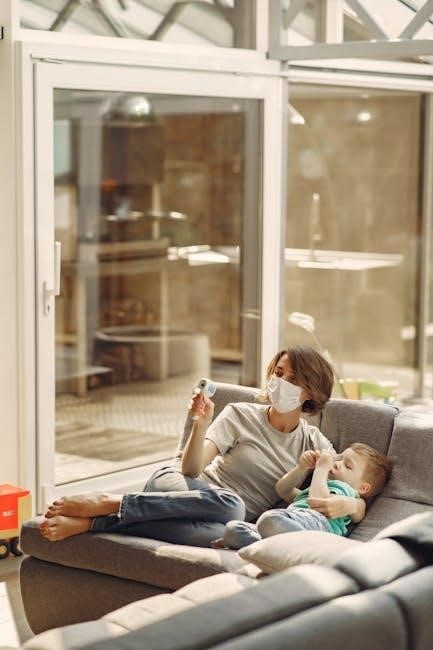
When the room temperature dips below 18°C‚ a 3.5 TOG swaddle is recommended‚ combined with a singlet and winter-weight pajamas. However‚ these are guidelines; observe your baby for signs of overheating or underheating. Individual babies vary‚ and regional climates influence optimal TOG selection. Prioritize your baby’s comfort and adjust layers accordingly.
1.0 TOG: For Warmer Rooms (20-22°C)
When room temperatures consistently reside between 20-22°C‚ the 1.0 TOG Love to Dream swaddle is typically the most suitable choice. This TOG rating provides a light layer of warmth without causing overheating. Layering underneath should be minimal; a simple singlet is often sufficient‚ allowing for optimal airflow and temperature regulation.
Consider omitting the singlet altogether if your baby tends to run warm or if the room feels particularly cozy. A onesie can be added if a slight extra layer is desired‚ but monitor for signs of sweating. Many parents find layering underneath a 1.0 TOG preferable to increasing the TOG rating‚ especially during transitional seasons. A tightly tucked thin blanket over the legs can provide additional warmth if needed.
2.5 TOG: For Cooler Rooms (18-20°C)
For nurseries maintained between 18-20°C‚ a 2.5 TOG Love to Dream swaddle offers a comfortable level of warmth. However‚ careful consideration of layering is crucial to prevent overheating. A singlet paired with winter-weight pajamas is a common and effective combination for this temperature range. Observe your baby closely for signs of discomfort‚ such as sweating‚ which may indicate too many layers.
Some parents prefer layering underneath a 1.0 TOG rather than immediately jumping to 2.5 TOG‚ particularly if they find their baby tends to overheat easily. If using a 2.5 TOG‚ be mindful of the room temperature fluctuations; it might be too warm if the temperature creeps above 20°C. Consistent monitoring and adjusting layers based on your baby’s cues are key.
3.5 TOG: For Cold Rooms (Below 18°C)

When room temperatures fall below 18°C‚ a 3.5 TOG Love to Dream swaddle is recommended to provide adequate warmth for your baby. In these colder environments‚ layering becomes even more important. A singlet combined with winter-weight pajamas is generally a good starting point‚ ensuring your little one remains cozy and comfortable throughout the night.

However‚ remember that individual babies vary in their thermal needs. Pay close attention to signs of being too cold‚ such as cold feet or hands‚ shivering‚ or frequent waking. If these indicators are present‚ consider adding an extra layer. It’s worth noting that some parents find even a 3.5 TOG insufficient in very cold conditions‚ opting for additional blankets (used safely) or warmer room temperatures.
Recognizing Signs of Overheating and Underheating
Accurately assessing your baby’s comfort is crucial when using a Love to Dream swaddle. Overheating is a significant concern‚ manifesting as sweating – particularly around the neck and chest – redness in the face‚ and rapid or labored breathing. Conversely‚ underheating presents differently. Look for cold feet and hands‚ shivering‚ or increased instances of waking during the night. These signals suggest your baby isn’t warm enough;
It’s vital to regularly check your baby’s temperature‚ feeling their chest or back of the neck‚ rather than hands and feet. Trust your instincts; if something feels off‚ adjust the layering or TOG rating accordingly. A soundly sleeping baby‚ with comfortable skin temperature‚ is a good indicator of appropriate warmth.

Overheating Indicators: Sweating‚ Redness‚ Rapid Breathing
Identifying overheating in your baby is paramount for safe sleep. The most obvious sign is sweating‚ particularly around the neck‚ chest‚ or hairline – a clear indication the baby is too warm. Observe for redness in the face; a flushed complexion‚ beyond typical rosy cheeks‚ can signal overheating. Rapid breathing‚ or labored respiration‚ is another critical indicator‚ suggesting the baby is working harder to regulate their body temperature.
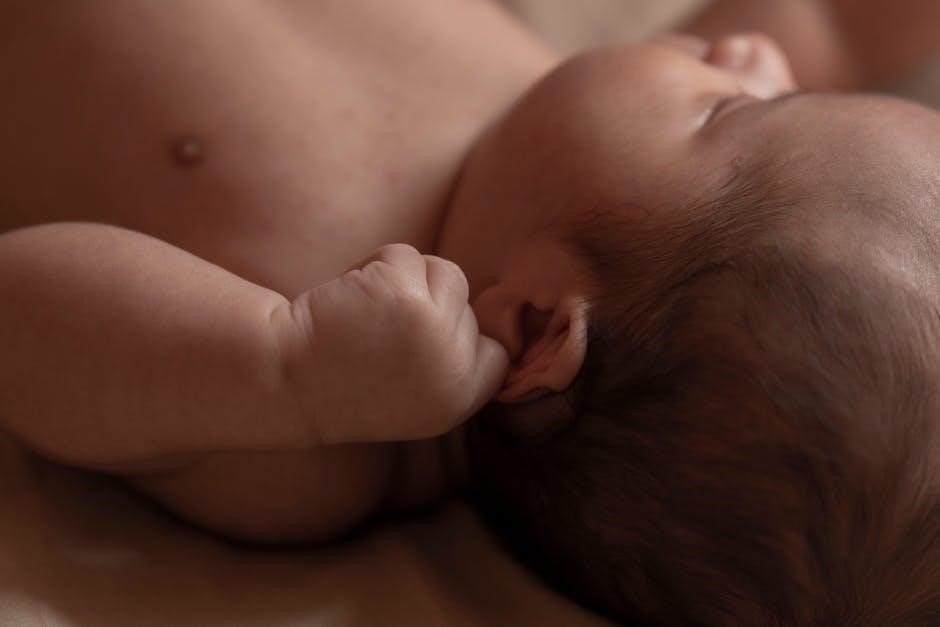
Don’t solely rely on touch; while a warm chest is normal‚ a hot and clammy feeling is concerning. Immediate action is needed: remove a layer of clothing‚ reduce the room temperature‚ and ensure adequate ventilation. Persistent overheating requires medical attention.
Underheating Indicators: Cold Feet/Hands‚ Shivering‚ Frequent Waking
Recognizing underheating is crucial for ensuring your baby’s comfort and sleep quality. Cold feet and hands are often the first signs‚ as babies naturally prioritize warmth to their core. However‚ this isn’t always a reliable indicator‚ so observe for other symptoms. Shivering is a definitive sign of being too cold‚ indicating the baby’s body is actively trying to generate heat.

Frequent waking during the night‚ or early morning wakes‚ can also suggest the baby is cold and disrupting their sleep cycle. If your baby seems restless or uncomfortable‚ consider adding a layer of clothing or increasing the room temperature. Remember‚ a comfortable baby sleeps soundly!
Love to Dream Swaddle Sizing: Ensuring a Safe Fit
Proper sizing of the Love to Dream swaddle is paramount for both comfort and safety. A swaddle that’s too large presents a risk of fabric bunching around the baby’s neck or face‚ potentially obstructing breathing. Conversely‚ a swaddle that’s too small can restrict movement and be uncomfortable.
Newborn sizes are essential for smaller babies at birth‚ ensuring a snug yet unrestricted fit. As your baby grows‚ transition to the next size up promptly. Pay attention to weight and length guidelines provided by Love to Dream‚ but also consider your baby’s individual build. Regularly assess the fit – if the swaddle appears too roomy‚ it’s time to size up for continued safe and peaceful sleep.
Comparing Love to Dream Guides with Other Recommendations (Sleep By Steph‚ Woolbabe)
Navigating baby sleep temperature regulation can be confusing due to varying recommendations. Love to Dream (LTD) guides are often considered conservative‚ potentially underestimating the warmth needed for some babies. In contrast‚ Sleep By Steph on Instagram suggests more substantial layering‚ leaning towards a warmer approach. Woolbabe sleep sacks‚ often used as an alternative‚ offer a different TOG scale and layering philosophy.
It’s crucial to remember individual baby variations; some naturally run warmer or cooler. Consider your home environment and climate. A helpful analogy is comparing sleep sack TOG ratings to adult duvet weights – a winter duvet is approximately 13 TOG. Observe your baby’s cues (sleeping soundly vs. frequent waking) to fine-tune layering and ensure optimal comfort.
Adult Duvet Weight Comparison: A Useful Analogy (13 TOG)
Understanding baby sleep sack TOG ratings can be simplified by relating them to adult bedding. A standard winter-weight duvet for adults typically equates to approximately 13 TOG. This provides a relatable benchmark when determining appropriate warmth for your little one. If you find yourself comfortable under a 13 TOG duvet in similar room temperatures‚ it offers insight into the level of insulation your baby might require.
This analogy helps bridge the gap between unfamiliar TOG values and everyday experience. It’s a practical way to visualize the warmth provided by different sleep sack thicknesses. Remember to always prioritize safety and monitor your baby for signs of overheating or underheating‚ adjusting layers accordingly‚ regardless of the duvet comparison.
Using Blankets with Love to Dream Swaddles: Safety Considerations
While tempting to add extra warmth‚ using blankets with a Love to Dream swaddle requires careful consideration. The primary concern is ensuring the blanket remains securely tucked in and doesn’t pose a suffocation risk. If a blanket is used‚ it should only cover the lower legs and feet‚ and be firmly secured below the baby’s chest. Avoid loose blankets that could potentially ride up and obstruct breathing.
It’s generally recommended to prioritize appropriate TOG selection in the swaddle itself‚ minimizing the need for additional blankets. Always supervise your baby closely when using blankets. Consider the room temperature and your baby’s individual needs before adding a blanket‚ and regularly check for signs of overheating. Prioritize safety above all else.
Regional Variations in Australia: Adjusting for Climate (e.g.‚ Victoria)
Australia’s diverse climate necessitates adjusting Love to Dream swaddle TOG ratings based on location. For example‚ Victoria experiences cooler temperatures‚ particularly during winter‚ requiring warmer TOG options like 2.5 or 3.5. Conversely‚ Queensland’s warmer climate often allows for 1.0 TOG or layering with lighter clothing underneath.
Regional Victoria itself varies; coastal areas are milder than the High Country. Monitoring room temperature is crucial‚ but generally‚ layering under a 1.0 TOG is preferred over increasing to 2.5 unless it’s genuinely cold. Residents often find layering more adaptable than solely relying on higher TOGs‚ minimizing sweating. Always consider your specific microclimate and baby’s comfort.
Troubleshooting Common Issues: Sweating and Discomfort
Sweating indicates overheating‚ a common issue with Love to Dream swaddles. If your baby is sweaty‚ reduce layers – remove the singlet or decrease the TOG rating. Conversely‚ frequent waking or cold extremities suggest underheating; add a layer or increase the TOG. Pay close attention to your baby’s cues.
Discomfort can stem from incorrect sizing. Ensure the swaddle isn’t too large‚ preventing fabric bunching near the face. Some babies run hotter or colder‚ requiring personalized adjustments. If sweating persists with a 1.0 TOG‚ consider a thinner base layer. Conversely‚ if cold despite a 3.5 TOG‚ evaluate heating and add winter-weight pajamas. Consistent monitoring is key.
Resources and Further Information
For comprehensive guidance beyond this overview‚ explore online communities and expert advice. Sleep By Steph on Instagram offers detailed room temperature and layering guides‚ presenting a contrasting perspective to standard TOG recommendations. The Love to Dream website itself provides sizing charts and FAQs‚ crucial for a safe and comfortable fit.
Consider researching Woolbabe sleep sack guides for comparative insights into TOG ratings and layering strategies. Remember that individual baby needs vary‚ so consult with your pediatrician if you have concerns. Regional climate variations‚ particularly in areas like Victoria‚ necessitate adjustments to layering. Prioritize consistent monitoring of your baby’s temperature and comfort levels for optimal sleep.