IUI Procedure: A Step-by-Step Guide
Intrauterine insemination (IUI) represents a relatively simple entry point into reproductive medicine, offering a cost-effective approach to assisted conception.
The process often begins with ovarian stimulation, potentially followed by triggering ovulation using human chorionic gonadotropin (HCG) injections.

Careful sperm preparation and analysis are crucial, ensuring optimal quality for insemination, while post-procedure monitoring assesses early pregnancy indicators.
Light bleeding or spotting can occur post-IUI, and success rates depend on various factors, sometimes necessitating comparison with IVF options.
Detailed protocols and recommendations for IUI use are continually updated, reflecting ongoing research and advancements in fertility treatment.
Understanding Intrauterine Insemination (IUI)
Intrauterine insemination (IUI) is a fertility treatment involving placing sperm directly into a woman’s uterus to facilitate fertilization. Often considered a first-step approach, IUI is less invasive and generally more affordable than other assisted reproductive technologies like In Vitro Fertilization (IVF).
The procedure aims to increase the number of sperm reaching the fallopian tubes, enhancing the chance of a sperm fertilizing an egg. IUI is frequently recommended for couples facing challenges such as male factor infertility – including low sperm count or motility – or unexplained infertility.
Successful IUI often relies on carefully timed procedures, frequently coordinated with the woman’s natural menstrual cycle or, if necessary, stimulated with medication. Clinics establish specific sperm quality requirements, assessing parameters like concentration, motility, and morphology to optimize outcomes.
It’s important to understand that IUI isn’t always a guaranteed solution, and success rates vary based on individual factors.
What is IUI and When is it Recommended?
Intrauterine insemination (IUI) is a guided fertility treatment where prepared sperm are directly inserted into the uterus around the time of ovulation, maximizing the potential for fertilization. It’s a less complex and less expensive alternative to IVF, making it a popular initial option for many couples.

IUI is generally recommended for individuals or couples experiencing mild male factor infertility – such as low sperm count or reduced sperm motility. It’s also suitable for those with cervical factor infertility, where sperm have difficulty navigating the cervical mucus.
Unexplained infertility, where the cause of difficulty conceiving remains unclear, is another common indication for IUI. Furthermore, IUI can be beneficial for couples using donor sperm. The procedure often involves monitoring the ovulation cycle, potentially with medication to stimulate egg production.
However, IUI isn’t suitable for all cases of infertility, particularly those involving severe male factor issues or blocked fallopian tubes.
Semen Quality Requirements for IUI
Semen analysis is a critical component of IUI success, and clinics establish specific quality parameters for sperm used in the procedure. While requirements can vary slightly between facilities, general guidelines are consistently applied.
Typically, a minimum total sperm count of 20 million motile sperm is desired. Motility, referring to the sperm’s ability to move effectively, should be at least 30-40%. Progressive motility – the sperm’s forward movement – is particularly important.
Sperm morphology, assessing the shape and structure of the sperm, also plays a role, with at least 4% normal morphology often considered acceptable. The volume of the ejaculate should generally be greater than 1.5 ml.
Sperm preparation in the lab involves “washing” the sample to concentrate the healthiest, most motile sperm and remove debris. Meeting these criteria significantly enhances the chances of successful fertilization during IUI.
Initial Consultation and Fertility Testing
The IUI journey begins with a comprehensive initial consultation with a fertility specialist. This meeting involves a detailed review of your medical history, including menstrual cycles, previous pregnancies, and any existing health conditions for both partners.
Fertility testing is crucial to identify potential underlying issues. For women, this typically includes blood tests to assess hormone levels (FSH, LH, estradiol, AMH) and an ultrasound to evaluate the uterus and ovaries. A hysterosalpingogram (HSG) may be performed to check for blocked fallopian tubes.
Men will undergo a semen analysis to evaluate sperm count, motility, and morphology. These tests help determine if IUI is an appropriate treatment option and guide the development of a personalized treatment plan.
The specialist will discuss the IUI process, success rates, potential risks, and associated costs, ensuring you are fully informed before proceeding.

The IUI Process: A Detailed Breakdown
IUI involves carefully timed procedures, potentially including ovarian stimulation and HCG triggering, followed by prepared sperm insemination directly into the uterus.
Monitoring and precise timing are essential for optimal outcomes.
Ovarian Stimulation (If Applicable)
Ovarian stimulation isn’t always necessary for IUI, but it’s frequently employed to enhance the chances of success, particularly when irregular ovulation is a concern. This process involves using fertility medications, typically oral medications like clomiphene citrate or letrozole, to encourage the development of multiple mature eggs.
The goal is to increase the number of eggs available for fertilization, as this naturally boosts the likelihood of a successful IUI cycle. Throughout stimulation, regular monitoring via ultrasound and blood tests is crucial. Ultrasounds track follicle growth – the fluid-filled sacs containing the eggs – while blood tests measure estrogen levels, providing insights into ovarian response.
Dosage adjustments are often made based on these monitoring results, ensuring a balanced stimulation that minimizes risks like ovarian hyperstimulation syndrome (OHSS). Careful monitoring allows clinicians to tailor the stimulation protocol to each individual’s needs, maximizing the potential for a positive outcome.
Triggering Ovulation with HCG
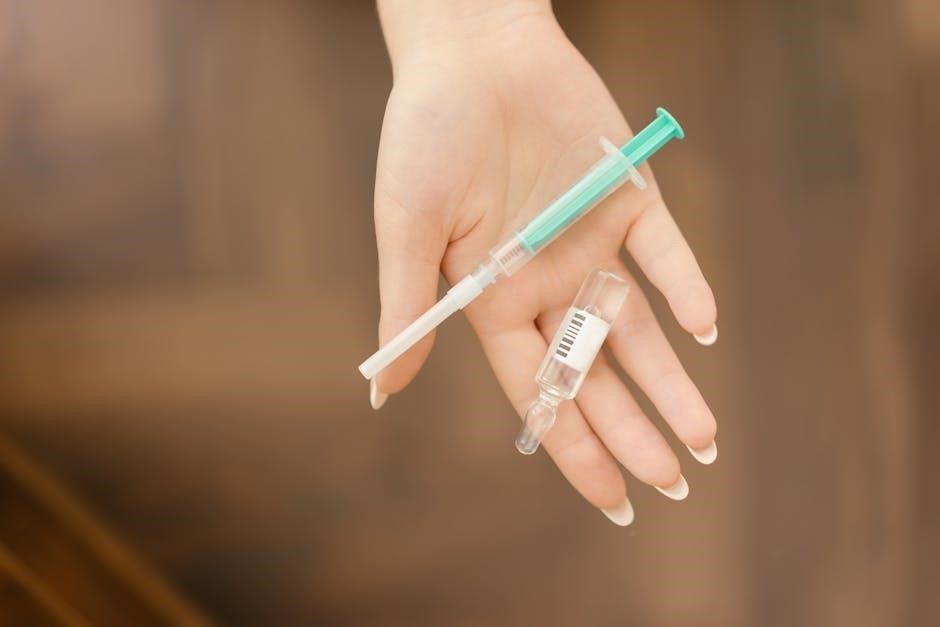
Once follicles reach an appropriate size, typically around 18-20mm, ovulation is “triggered” using an injection of human chorionic gonadotropin (HCG). This hormone mimics the natural luteinizing hormone (LH) surge, which is responsible for prompting the final maturation of the eggs and their release from the ovaries.
The HCG injection is precisely timed – usually 24 to 36 hours before the planned IUI procedure – to ensure the eggs are mature but haven’t yet been released. This timing is critical for maximizing the chances of successful fertilization during insemination. Patients are typically instructed on how and when to administer the injection.
Following the HCG injection, the IUI procedure is scheduled within the specified timeframe. It’s vital to adhere to the clinic’s instructions regarding timing, as deviating from the schedule can significantly impact the success rate. Careful coordination between the HCG trigger and the IUI appointment is paramount.
Sperm Preparation and Analysis
Prior to IUI, a thorough sperm analysis is conducted to assess several key parameters, including sperm count, motility (movement), and morphology (shape). Clinics often have specific requirements for these parameters to ensure optimal chances of fertilization. Generally, a minimum total motile sperm count is desired.
The sperm sample undergoes a process called “sperm washing,” which separates the highly motile, healthy sperm from the seminal fluid, dead sperm, and other debris. This process increases the concentration of viable sperm and reduces the risk of uterine cramping during insemination.
Washed sperm are then carefully prepared for insemination, ensuring they are in a suitable medium for their journey to the fallopian tubes. The prepared sample is evaluated again to confirm quality before being used in the IUI procedure. Maintaining sperm quality is crucial for successful outcomes.
The IUI Procedure Itself
The IUI procedure is generally quick and relatively painless, often compared to a routine Pap smear. The patient typically lies on an examination table, similar to a gynecological exam. A speculum is inserted into the vagina to visualize the cervix.
A thin, flexible catheter is then gently passed through the cervix and into the uterus. The prepared sperm sample is slowly injected directly into the uterus, close to the fallopian tubes, maximizing the chances of fertilization.
The entire process usually takes only a few minutes. Some women may experience mild cramping or discomfort during catheter insertion, but this is usually brief. After the sperm is deposited, the catheter is removed, and the speculum is withdrawn. Patients are often advised to rest for a short period post-procedure.
Post-IUI Care and Monitoring
Following IUI, adhere to provided instructions, noting potential side effects like mild cramping. Monitor for early pregnancy signs and be aware of possible spotting.
Rest briefly and follow clinic guidance.
Post-Procedure Instructions and Restrictions
After your IUI procedure, a period of rest is generally recommended, though strenuous activity should be avoided for approximately 24-48 hours.
While bed rest isn’t typically mandated, limiting vigorous exercise and heavy lifting is advised to minimize any potential discomfort or complications.
You may experience mild cramping or spotting, which are usually normal responses to the procedure. However, report any heavy bleeding or severe pain to your clinic immediately.
Avoid sexual intercourse as instructed by your doctor, typically for a specified period following insemination, to allow for optimal implantation.
Continue taking any prescribed medications as directed, including progesterone supplements if applicable. Maintain a healthy diet and stay hydrated.
Your clinic will schedule a follow-up appointment for a pregnancy test, usually around two weeks post-IUI.
Contact your healthcare provider with any concerns or questions that arise during the waiting period.
Common Side Effects After IUI
Following an IUI procedure, experiencing some mild side effects is quite common and generally doesn’t require immediate medical attention. Many women report experiencing light spotting or a mild, cramping sensation, similar to menstrual discomfort.
These symptoms are often attributed to the catheter’s passage through the cervix and the uterine environment. Some individuals may also feel a slight pressure in the lower abdomen.
Occasionally, a small amount of clear or pinkish discharge can occur in the days following the procedure. However, heavy bleeding should be reported to your clinic promptly.
If ovarian stimulation was involved, there’s a potential for mild bloating or breast tenderness due to the hormonal medications.
Rarely, some women experience a brief, localized infection, but this is uncommon with proper sterile technique.
Most side effects subside within a few days, but any persistent or worsening symptoms should be discussed with your healthcare provider.
Monitoring for Early Pregnancy Signs
After IUI, diligent monitoring for early pregnancy signs is crucial, typically beginning around the expected date of your period. While waiting, avoid excessive stress and maintain a healthy lifestyle.
Common early indicators include subtle changes like increased basal body temperature, if you’ve been tracking it, and slight breast tenderness, similar to pre-menstrual symptoms.
Fatigue, frequent urination, and mild nausea are also potential signs, though these can be vague and influenced by other factors.
The most reliable method is a home pregnancy test, usually recommended about 14 days post-IUI, or as advised by your clinic.
A blood test performed by your doctor offers a more accurate and earlier confirmation of pregnancy, typically around 9-12 days post-IUI.
Regardless of the result, follow up with your healthcare provider for guidance and further monitoring.
Potential for Light Bleeding or Spotting Post-IUI
Following an IUI procedure, experiencing light bleeding or spotting is relatively common and doesn’t automatically indicate failure. This can occur within a few days of insemination and is often attributed to minor irritation of the uterine lining during catheter insertion.
The spotting is typically light – ranging from pinkish to brownish discharge – and should be less substantial than a regular menstrual period. It usually resolves within a day or two.
However, heavier bleeding resembling a period warrants immediate contact with your clinic, as it could signal an issue.
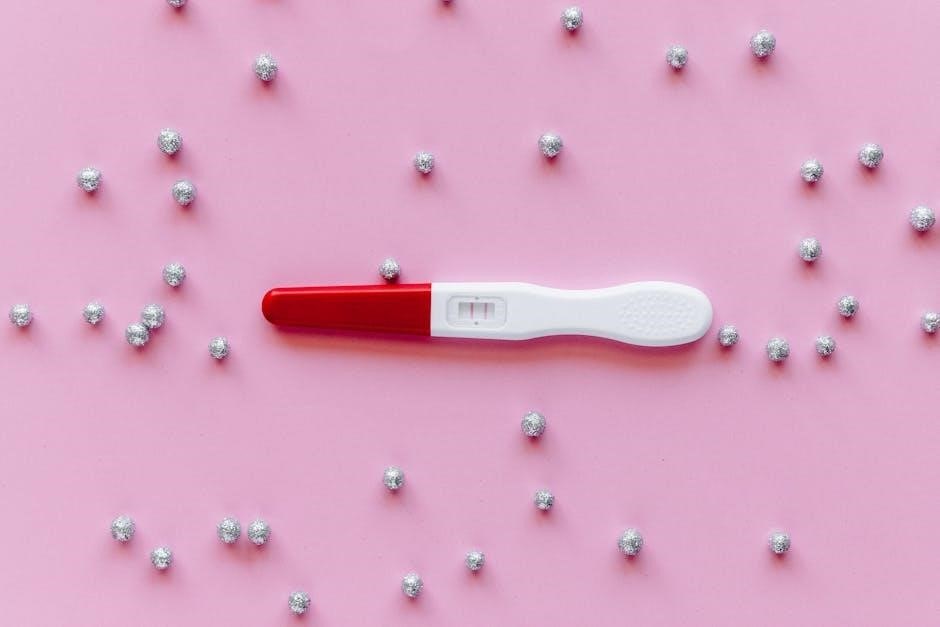
Some women report spotting around the time of their expected period, which can be particularly confusing.
It’s important to remember that implantation bleeding, if it occurs, is usually very light and brief.
Carefully monitor the amount and duration of any bleeding, and promptly report any concerns to your healthcare provider for accurate assessment.
IUI Success Rates and Factors Influencing Outcomes
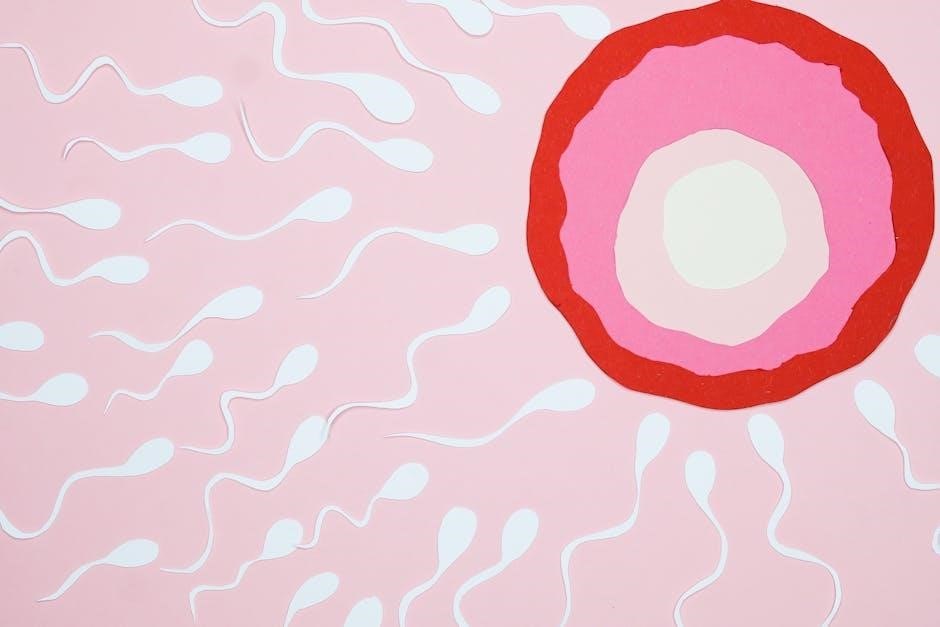
IUI success hinges on factors like age, sperm quality, and ovarian function; comparing IUI to IVF reveals differing efficacy rates and associated treatment costs.
Factors Affecting IUI Success
Numerous elements influence the likelihood of a successful IUI outcome, extending beyond simply completing the procedure. A woman’s age is a significant determinant, with success rates generally declining as age increases, mirroring natural fertility trends.
Sperm quality plays a pivotal role; adhering to established parameters regarding sperm count, motility, and morphology is crucial, as clinics often have specific requirements. Underlying female reproductive health, including the patency of fallopian tubes and the absence of uterine abnormalities, is also essential.
Ovarian reserve and response to ovarian stimulation (if utilized) directly impact egg quality and the potential for fertilization. The timing of insemination, precisely coordinated with ovulation (often triggered by HCG), is paramount. Even with optimal conditions, some couples may require multiple IUI cycles to achieve pregnancy, highlighting the importance of realistic expectations and continued medical guidance.
Lifestyle factors, such as smoking, obesity, and stress levels, can also subtly influence outcomes, emphasizing the benefits of a healthy lifestyle during treatment.
IUI vs. Other Fertility Treatments (IVF)
Intrauterine insemination (IUI) generally represents a less invasive and more affordable initial step compared to in vitro fertilization (IVF). IUI involves placing prepared sperm directly into the uterus, facilitating fertilization within the fallopian tubes, while IVF bypasses this process entirely.
IVF entails retrieving eggs from the ovaries, fertilizing them with sperm in a laboratory, and then transferring the resulting embryos into the uterus. This makes IVF significantly more complex and costly than IUI.
IUI is typically recommended for couples with mild male factor infertility, cervical factor infertility, or unexplained infertility. IVF is often preferred for more severe cases, such as blocked fallopian tubes, severe male factor infertility, or when IUI has been unsuccessful after several attempts.
Effectiveness differs; IVF generally boasts higher success rates, particularly for older women or those with significant fertility challenges, but also carries greater risks and a more demanding protocol.
Cost of IUI Treatment
The financial aspect of IUI treatment can vary considerably based on several factors, including geographical location, the clinic chosen, and the necessary medications. Generally, IUI is more budget-friendly than in vitro fertilization (IVF), making it an accessible option for many couples.

A single IUI cycle typically ranges from $800 to $2,000, encompassing monitoring appointments, sperm preparation, and the insemination procedure itself. However, this estimate often excludes the cost of fertility medications, which can add another $100 to $300 per cycle.
Additional expenses may include initial fertility testing for both partners, potentially adding several hundred dollars. Couples may require multiple IUI cycles to achieve pregnancy, increasing the overall cost.
Compared to IVF, which can cost upwards of $10,000 to $15,000 per cycle, IUI presents a significantly lower financial burden. However, it’s crucial to discuss all potential costs with your fertility clinic upfront to avoid unexpected bills.