Cuisinart Food Processor Operating Instructions: A Comprehensive Guide
Welcome! This guide details safe and effective operation of your Cuisinart food processor, ensuring delicious results and prolonged appliance lifespan.
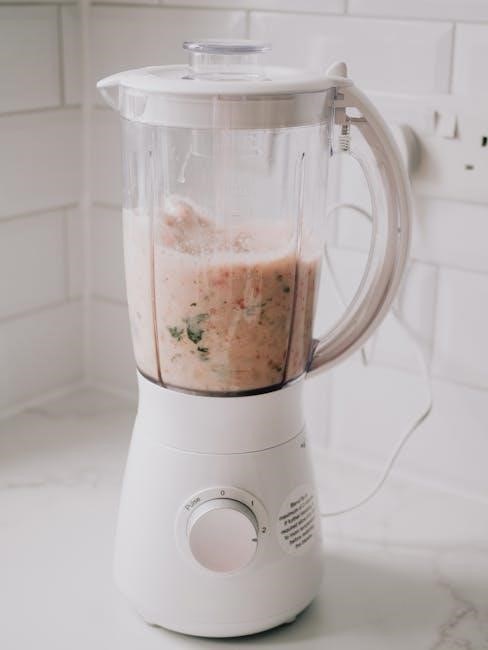
Congratulations on choosing a Cuisinart Food Processor! You’ve invested in a versatile kitchen appliance designed to simplify numerous food preparation tasks. This machine isn’t just about chopping; it’s a powerful tool for pureeing, slicing, shredding, and even kneading dough – significantly reducing your time in the kitchen.
Whether you’re a seasoned chef or a beginner cook, this food processor will quickly become an indispensable part of your culinary arsenal. It offers consistent results, saving you effort and ensuring even processing every time.
This guide provides comprehensive instructions, from understanding the components to mastering various techniques. We’ll cover safety precautions, proper assembly, control panel functions, and cleaning procedures. By following these guidelines, you’ll unlock the full potential of your Cuisinart Food Processor and enjoy years of reliable performance. Prepare to experience a new level of convenience and creativity in your cooking!
Key Components & Parts Identification
Familiarizing yourself with the parts of your Cuisinart Food Processor is crucial for safe and efficient operation. The core components include the Motor Base, providing the power, and the Work Bowl, where all the processing happens. The Blade Assembly, featuring various blades, performs the actual chopping, pureeing, or kneading.
You’ll also find a selection of Discs for slicing, shredding, and grating. These interchangeable discs expand the processor’s functionality. A Feed Tube allows for adding ingredients during operation, and a Large Bowl Cover ensures safety and prevents splattering. Don’t forget the Emulsifying Disc and Dough Blade, specialized tools for specific tasks.
Refer to the included diagram for a visual guide to each part. Understanding the purpose of each component will help you select the correct blade or disc for your recipe and ensure optimal results. Proper identification is the first step towards mastering your Cuisinart Food Processor!
The Motor Base & Control Panel
The Motor Base houses the powerful motor driving your Cuisinart Food Processor. Ensure it’s placed on a stable, level surface before operation. The Control Panel is your command center, featuring intuitive controls for various functions.
Typically, you’ll find an On/Off button, initiating and stopping the processor. Speed Settings – Low, Medium, and High – allow you to adjust processing intensity. The crucial Pulse function provides bursts of power for precise control. Some models include pre-programmed settings for specific tasks like chopping or pureeing.
Familiarize yourself with the layout of the control panel. A clear understanding of each button and setting is essential for safe and effective use. Always ensure the processor is turned off before making any adjustments or changing attachments. The motor base is designed for stability and longevity with proper care.
The Work Bowl & Blade Assembly
The Work Bowl is the large, clear container where food processing happens. It features marked capacity indicators for accurate measurements. Always ensure the work bowl is dry before adding ingredients. The Blade Assembly is the heart of the processing action, consisting of various blades for different tasks.
The standard S-Blade (stainless steel) is ideal for chopping, pureeing, and mixing. Handle the blades with extreme caution – they are very sharp! Proper alignment is crucial; the blade assembly must lock securely into the work bowl drive shaft. A secure lock prevents operation and potential injury.
Before use, inspect the blades for any damage or dullness. Never operate the food processor without the blade assembly correctly installed. The work bowl and blade assembly are designed to work together seamlessly, delivering consistent results.
Discs & Accessories – What They Do
Cuisinart food processors often include a variety of discs and accessories to expand functionality. The Shredding Disc creates uniformly shredded cheese, vegetables, or chocolate. The Slicing Disc produces even slices of cucumbers, potatoes, or tomatoes – adjust thickness settings for desired results.
A Dough Blade, typically plastic, is designed for kneading bread or pizza dough without overheating. The Emulsifying Disc is perfect for making mayonnaise or salad dressings, slowly incorporating oil into liquids. Some models include a Julienne Disc for creating matchstick-sized vegetables.
Always use the correct pusher for each disc to ensure safe and efficient operation. Store discs and accessories safely when not in use. Refer to your model’s specific manual for detailed instructions on each accessory’s proper use and cleaning procedures.
Safety Precautions – Read Before Use
Prioritize safety! Always unplug your Cuisinart food processor before disassembly, cleaning, or changing accessories. Never operate the appliance with a damaged cord or plug. Keep hands and utensils away from the moving blade and discs during operation – always use the pusher.
Do not attempt to process hot liquids, as they can create pressure and cause burns. Never overload the work bowl beyond its maximum capacity, indicated in your manual. Ensure the lid is securely locked in place before operating the processor.
Children should never operate the food processor unsupervised. This appliance is for household use only; avoid using it outdoors or for commercial purposes. If the appliance malfunctions, discontinue use immediately and contact Cuisinart customer support.
Setting Up Your Food Processor
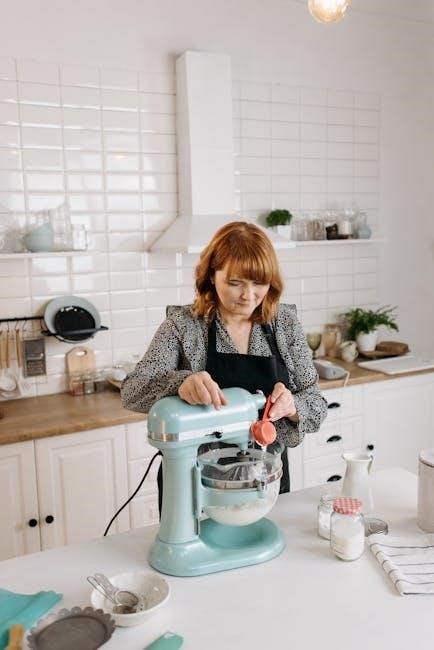
Let’s get started! Before first use, wash the work bowl, lid, and blades in warm, soapy water. Ensure all parts are completely dry before assembly. Begin by placing the motor base on a flat, stable surface – avoid carpets or uneven countertops.
Next, carefully position the work bowl onto the motor base, aligning the tabs correctly. Rotate the bowl clockwise until it locks securely into place. Now, select the appropriate blade or disc for your task. Gently insert the blade/disc into the center post within the work bowl, ensuring it’s firmly attached.
Finally, place the lid onto the work bowl and rotate it until it clicks, locking the unit. Double-check that everything is secure before plugging in the appliance and beginning operation.
Assembling the Work Bowl & Blade
Proper assembly is crucial for safe operation. Begin by ensuring the work bowl is clean and dry. Carefully align the work bowl with the motor base, noting the directional arrows or tabs – these must match for a secure fit. Rotate the bowl clockwise until it audibly clicks, indicating it’s locked.
Next, select your desired blade. Hold the blade hub firmly and carefully insert it straight down onto the center post inside the work bowl. A gentle twisting motion may help ensure a snug fit. Never force the blade; if it doesn’t seat easily, re-check alignment.
Finally, before adding food, verify the blade is securely attached and doesn’t wobble. Incorrect blade installation can lead to malfunction or injury; Always double-check before proceeding!
Proper Placement on a Stable Surface
Ensuring stability is paramount for safe and efficient food processing. Always position your Cuisinart food processor on a flat, level, and non-slip surface. Avoid placing it near the edge of countertops or on uneven flooring, as this can cause it to vibrate or even tip over during operation.
Clear the surrounding area of any obstructions, giving yourself ample space to work comfortably and safely. Ensure the power cord isn’t stretched or tangled, and that it doesn’t pose a tripping hazard. A stable base minimizes vibration, leading to more consistent results.
Avoid using surfaces that are easily scratched or damaged by vibrations. A solid countertop or a dedicated appliance mat is ideal. Remember, a secure placement prevents accidents and extends the life of your appliance!
Understanding the Control Panel
The control panel is your command center for precise food processing. Familiarize yourself with each function to unlock the full potential of your Cuisinart appliance. Typically, you’ll find an On/Off button, Pulse control, and multiple speed settings – Low, Medium, and High.
The On/Off button initiates and stops the motor. The Pulse function provides short bursts of power, ideal for chopping or preventing over-processing. Speed settings control the motor’s rotation, influencing the texture of your ingredients. Lower speeds are best for delicate tasks, while higher speeds are suited for tougher items.

Some models may include additional features like a preset program for specific tasks. Refer to your model’s specific diagram for accurate identification of each control. Mastering the control panel ensures consistent and predictable results every time!
Pulse Function – When & How to Use It
The Pulse function is a powerful tool for controlled processing. Unlike continuous operation, pulsing delivers short, intermittent bursts of power when the button is pressed. This prevents over-processing, crucial for achieving desired textures.
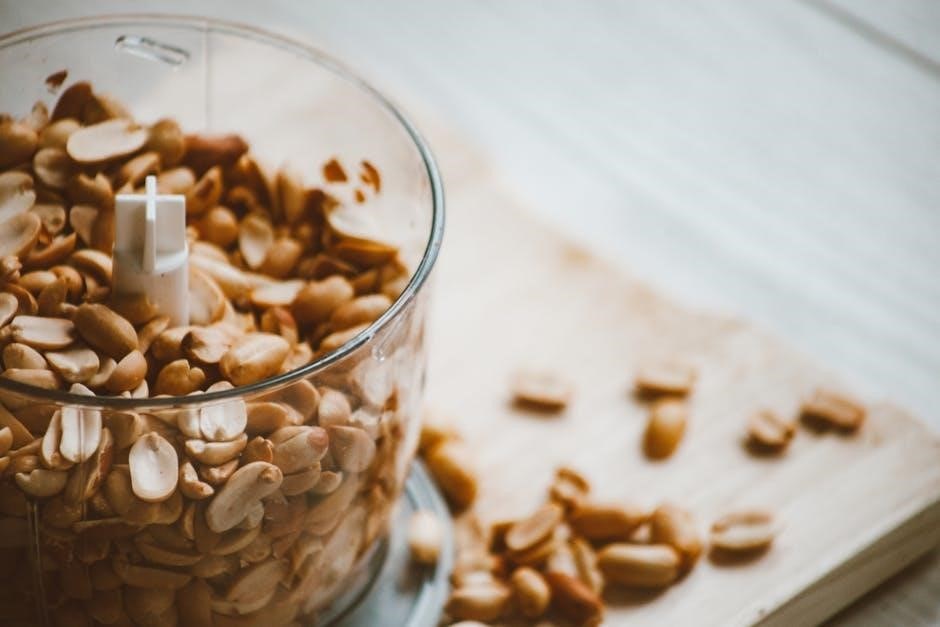
Use Pulse for tasks like chopping vegetables – achieving a coarse chop without turning them into puree. It’s also excellent for making breadcrumbs, coarsely grinding nuts, or quickly combining ingredients. For best results, use short, controlled pulses rather than holding the button down continuously.
Listen to the motor; avoid prolonged pulsing as it can strain the appliance. The Pulse function offers maximum control, allowing you to visually monitor the processing and stop precisely when the desired consistency is reached. It’s a key feature for both beginners and experienced users!
Speed Settings – Low, Medium, High
Your Cuisinart food processor offers variable speed settings for versatile performance. Understanding each setting is key to optimal results.
Low speed is ideal for coarsely chopping, shredding, or mixing delicate ingredients. It prevents over-processing and maintains texture. Medium speed is your workhorse – perfect for general-purpose chopping, slicing, and pureeing softer foods like cooked vegetables or fruits. It provides a balance between speed and control.
High speed delivers maximum power for tougher tasks. Use it for blending liquids, making smooth purees, or processing hard cheeses. Be cautious with high speed, as it can quickly alter textures. Always start with a lower speed and gradually increase as needed. Remember to never overload the work bowl, regardless of the speed setting!
Basic Food Processing Techniques
Mastering a few core techniques unlocks the full potential of your Cuisinart food processor. These skills form the foundation for countless recipes and culinary creations.
Chopping vegetables and fruits is simplified with pulsing action; avoid continuous running for even results. Pureeing soups and sauces benefits from starting slow, then increasing speed for a silky-smooth consistency. Add liquids gradually for optimal blending.
Making dips and spreads requires careful attention to ingredient ratios. Begin with a base, then slowly incorporate additions while pulsing. For hummus, tahini and lemon juice are key! Remember to scrape down the sides of the bowl periodically to ensure even processing. Experiment with herbs and spices to customize your flavors!
Chopping Vegetables & Fruits
Achieving perfectly chopped produce is a breeze with your Cuisinart! For best results, cut larger items into roughly 1-inch pieces before processing; This ensures even chopping and prevents strain on the motor.
Utilize the pulse function for precise control; short bursts prevent over-processing into a puree. Start with a few pulses, then check the consistency. Repeat as needed. For softer fruits like tomatoes, use fewer pulses. Harder vegetables like carrots may require more.
Avoid overcrowding the work bowl – process in batches for uniform results. Remember to use the appropriate blade; the standard chopping blade is ideal for most vegetables and fruits. Don’t forget to scrape down the sides of the bowl occasionally for consistent chopping!

Pureeing Soups & Sauces
Transforming cooked ingredients into smooth, velvety soups and sauces is simple! Ensure your soup or sauce has cooled slightly before processing – hot liquids can create pressure. For optimal results, process in batches, especially with larger volumes.
The standard chopping blade works well for pureeing, but for an ultra-smooth consistency, consider using the optional emulsifying disc (if included with your model). Start on a low speed and gradually increase to medium or high, depending on the desired texture.

Utilize the pulse function initially to prevent splattering. Secure the lid tightly and hold it firmly during operation. Remember to vent the lid to allow steam to escape. Always scrape down the sides of the bowl to ensure all ingredients are fully incorporated for a consistently smooth final product.
Making Dips & Spreads
Creating homemade dips and spreads is a breeze with your Cuisinart food processor! From hummus to pesto, the possibilities are endless. Begin by adding your base ingredients – chickpeas for hummus, basil for pesto – to the work bowl.
The chopping blade is generally ideal for achieving the desired texture. For smoother spreads like guacamole, pulse initially to coarsely chop ingredients, then process continuously until smooth. Add liquids gradually to control consistency.
Don’t overload the work bowl; process in batches if necessary. Scrape down the sides frequently to ensure even processing. Taste and adjust seasonings as needed. Remember to chill your finished dip or spread for optimal flavor development before serving. Enjoy!
Using Discs for Slicing & Shredding
Cuisinart food processor discs unlock rapid slicing and shredding capabilities! Ensure the correct disc is securely locked onto the spindle within the work bowl. The feed tube guides ingredients onto the rotating disc.
Always use the pusher to apply even pressure to food items, never your hands! Start with larger pieces and gradually feed smaller ones through the tube. For consistent results, maintain a steady, even pace.

Different discs offer varying thicknesses for slicing and shredding. Refer to your model’s instruction manual for specific disc functions. Be mindful not to force ingredients; let the processor do the work. Collect processed food in a bowl placed beneath the spout. Remember to clean discs immediately after use to prevent food buildup.
Cleaning & Maintenance
Proper cleaning extends your Cuisinart food processor’s life! Always unplug the appliance before disassembly. Most parts – work bowl, lid, discs, and blades – are dishwasher safe (top rack recommended). However, hand washing preserves sharpness and finish.
For hand washing, use warm, soapy water and a non-abrasive sponge. Rinse thoroughly and dry completely before reassembling. Never immerse the motor base in water. Wipe it clean with a damp cloth.
Blades are extremely sharp; handle with utmost care during cleaning. Avoid prolonged soaking, which can dull the edges. Regularly inspect the appliance for any damage. Proper maintenance ensures optimal performance and food safety. Store all components in a dry, safe place.
Disassembly for Thorough Cleaning
Complete disassembly is key for hygienic cleaning! Begin by removing the lid. Then, carefully unlock the work bowl from the motor base – usually a twist-and-lift motion. Next, detach the blade assembly; always handle blades with extreme caution. For discs, a central locking pin typically secures them – press to release.
Inspect each component for food residue. Pay close attention to crevices around the blade and disc attachments. The work bowl often has a removable inner ring for easier cleaning. Ensure all parts are separated before placing them in the dishwasher or washing by hand.
Remember the order of disassembly to simplify reassembly later. A quick photo can be helpful! Thorough cleaning prevents bacterial growth and maintains optimal food processor performance.
Dishwasher Safe Parts & Hand Washing Recommendations
Convenience meets care! Most Cuisinart food processor parts – including the work bowl, lid, and discs – are top-rack dishwasher safe. However, always consult your model’s specific instruction manual to confirm. The blade assembly and motor base must be hand washed.
For hand washing, use warm, soapy water. Avoid abrasive cleaners, which can damage surfaces. Carefully wash the blade assembly, ensuring all food particles are removed. Rinse thoroughly and dry completely before reassembling.
The motor base should be wiped down with a damp cloth only – never immerse it in water! Proper drying is crucial to prevent rust and ensure longevity. Regular, careful cleaning maintains hygiene and extends your food processor’s life.
Troubleshooting Common Issues
Encountering problems? Here’s a quick guide to resolving typical issues. If the processor won’t start, ensure it’s correctly assembled – the lid must lock securely. Check the power outlet and reset any tripped circuit breakers. Overheating can occur with prolonged use; allow it to cool down.

Uneven chopping? Ensure food is cut into uniform pieces before processing. Avoid overloading the work bowl. If the processor vibrates excessively, verify it’s on a stable, level surface.
Food getting stuck? Reduce the amount of food being processed at once. For sticky mixtures, use the pulse function. Never attempt to disassemble the unit while the blade is spinning. If issues persist, consult the full manual or Cuisinart’s customer support for assistance.